What is an Asphalt Mixing Plant?
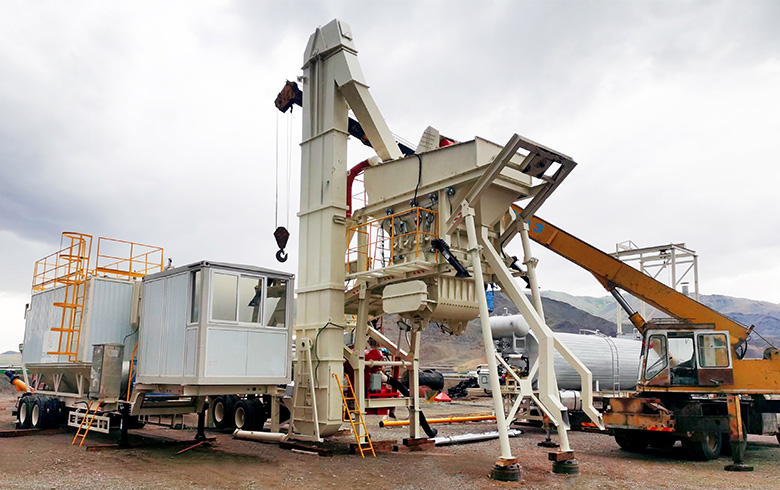
I. Overview of Asphalt Mixing Plants
An Asphalt Mixing Plant is an indispensable core equipment in road construction and maintenance projects. It is mainly used to mix aggregates (sand and gravel), asphalt, and mineral powder in specific proportions to produce asphalt mixtures that meet engineering requirements. This mixture is a key material for paving highways, urban roads, airport runways, and other infrastructure.
II. Working Principles of Asphalt Mixing Plants
1. Cold Material Feeding System
The cold material feeding system is the first process in an asphalt mixing plant. Aggregates of different specifications are stored separately in cold bins and conveyed into the drying drum via belt conveyors according to preset proportions. The accuracy of this system directly affects the quality of the final product.
2. Drying and Heating System
After entering the drying drum, aggregates are heated and dried by high-temperature exhaust gases generated by the burner. The drying drum typically uses a counter-flow design to ensure uniform heating and complete moisture evaporation. The discharge temperature is generally controlled between 160-180°C.
3. Hot Material Lifting and Screening
The heated hot aggregates are lifted by an elevator to a vibrating screen for classification. The screened aggregates of different particle sizes enter their respective hot bins, awaiting metering and mixing. Screening accuracy directly affects the gradation quality of the asphalt mixture.
4. Metering and Mixing System
The metering system precisely weighs various aggregates, asphalt, and mineral powder to ensure accurate proportions. Subsequently, all materials enter the mixing pot for forced mixing, with a typical mixing time of 45-60 seconds, ensuring asphalt evenly coats the aggregate surfaces.
III. Main Types of Asphalt Mixing Plants
1. Batch Asphalt Mixing Plant
Batch mixing plants adopt batch production methods, with each batch of mixture being independently metered and mixed. This equipment is suitable for multi-variety, small-batch production, with flexible proportion adjustments and stable product quality. It is currently the most widely used type in China.
2. Continuous Asphalt Mixing Plant
Continuous mixing plants adopt continuous production processes, with aggregates and asphalt continuously entering the mixer and finished materials being continuously output. This equipment has high production efficiency, suitable for large-scale, single-variety engineering needs, but proportion adjustments are relatively inconvenient.
3. Mobile Asphalt Mixing Plant
Mobile mixing plants integrate various functional modules on movable chassis, facilitating quick relocation and installation. They are particularly suitable for remote areas, short-term projects, or emergency repair projects, offering high flexibility and low investment advantages.
IV. Key Technical Parameters of Asphalt Mixing Plants
1. Production Capacity
Production capacity is the core indicator for measuring the scale of a mixing plant, usually expressed in tons per hour (t/h). Common specifications include 80t/h, 120t/h, 160t/h, 240t/h, 320t/h, etc. Users can select appropriate models based on project scale.
2. Metering Accuracy
Aggregate metering accuracy is typically required to be ≤±0.5%, asphalt metering accuracy ≤±0.3%, and mineral powder metering accuracy ≤±0.5%. High-precision metering systems are the foundation for ensuring mixture quality.
3. Temperature Control System
Aggregate heating temperature and asphalt temperature need precise control. Advanced mixing plants are equipped with intelligent temperature control systems, with temperature control accuracy up to ±5°C, ensuring mixtures are produced within the optimal temperature range.
V. Environmental Requirements for Asphalt Mixing Plants
1. Dust Control
Asphalt mixing plants are equipped with multi-stage dust removal systems, including gravity dust removal, cyclone dust removal, and bag dust removal. Emission concentrations can be controlled below 20mg/m³, meeting national environmental standards.
2. Exhaust Gas Treatment
Exhaust gases generated by combustion are treated through desulfurization and denitrification before discharge. Some high-end equipment is also equipped with asphalt fume recovery devices, which perform secondary combustion or condensation recovery of asphalt fumes generated during the mixing process.
3. Noise Control
Through selecting low-noise equipment, installing soundproof covers, and rational layout, boundary noise is controlled below 65 decibels, reducing impact on the surrounding environment.
VI. Selection Points for Asphalt Mixing Plants
1. Determine Capacity Based on Project Requirements
When selecting a mixing plant, comprehensive consideration should be given to project scale, construction period requirements, and transportation conditions. It is generally recommended that actual capacity requirements be 70-80% of the equipment’s rated capacity, leaving some production margin.
2. Pay Attention to Equipment Configuration
Key components such as burners, vibrating screens, metering sensors, and control systems should be selected from well-known brands. High-quality configurations not only ensure product quality but also reduce failure rates and maintenance costs.
3. Consider Environmental Performance
With increasingly strict environmental regulations, special attention should be paid to dust removal efficiency, exhaust gas treatment capacity, and noise control levels during purchase. Selecting equipment that meets the latest environmental standards avoids additional investment for later modifications.
VII. Maintenance of Asphalt Mixing Plants
1. Daily Maintenance
After each shift, residual materials in the mixing pot, conveyor belts, and hot bins should be cleaned; oil levels at various lubrication points should be checked; loose bolts should be tightened; and electrical control cabinets should be cleaned.
2. Regular Maintenance
According to equipment manual requirements, regularly replace reducer oil, air compressor oil, hydraulic oil, etc.; inspect and replace worn liners, screens, belts, and other wearing parts; calibrate the metering system.
3. Seasonal Maintenance
Before winter shutdown, equipment should be thoroughly cleaned, water in pipelines should be drained, and anti-freezing measures should be taken; before spring startup, all systems should be comprehensively inspected and test-run to ensure good equipment condition.
VIII. Industry Development Trends
1. Intelligent Upgrades
Modern asphalt mixing plants increasingly adopt PLC control systems and IoT technology, achieving remote monitoring, fault diagnosis, data traceability, and other functions, improving production management efficiency.
2. Recycling Technology Popularization
Asphalt pavement recycling technology is becoming increasingly mature. More and more mixing plants are equipped with recycling devices that can incorporate reclaimed asphalt pavement (RAP) into new materials at certain proportions, saving costs while protecting the environment.
3. Warm Mix Technology Development
Warm mix asphalt technology reduces production temperatures by 20-40°C through adding warm mix agents or using foamed asphalt processes, significantly reducing energy consumption and harmful gas emissions. It is a key direction for future development.
IX. Summary
As core equipment for road construction, the technical level of asphalt mixing plants directly affects project quality and construction efficiency. With increasing environmental requirements and the development of intelligent technology, modern asphalt mixing plants are continuously evolving toward high efficiency, environmental protection, and intelligence.
Whether construction units or equipment manufacturers, they should keep up with industry development trends, continuously improve technical levels and management capabilities, and contribute to the construction of high-quality transportation infrastructure.
